.png)
Northeast Michigan Great Lakes Stewardship Initiative
Whittemore-Prescott Area School
Lunchroom Composting
Following the Take a Bite out of Lunchroom Waste Curriculum and One Cool Earth Resources, the 4th graders at Whittemore-Prescott explored their lunchroom waste by: Waste Sorting: Sometimes, school campuses will treat all waste as landfill waste because it can be difficult to sort through. However, with help from students, it can be done very easily! Here are three steps to creating your classroom waste sorting station. 1. Label three separate containers for Landfill, Recycle, and Compost. 2. Lead a training with students on how we will sort waste, what goes where, and what will happen when the container gets full. 3. Have a plan for where the recycling and compost waste will go once it is sorted. Recycling from classrooms can be accumulated in a larger recycling bins on campus that the custodian can take to the recycling dumpster. Students can be in charge of taking the recycling can from their classroom to the larger receptacle on campus when it gets full. Composting can be a great way to dispose of the organic material that is collected in classrooms. If municipal composting services are available in your area/school, you can also dispose of your compost in the green waste bins on campus. Again, students can be leaders in taking the container to its appropriate location when it gets full.
Greenhouses and Hydroponics
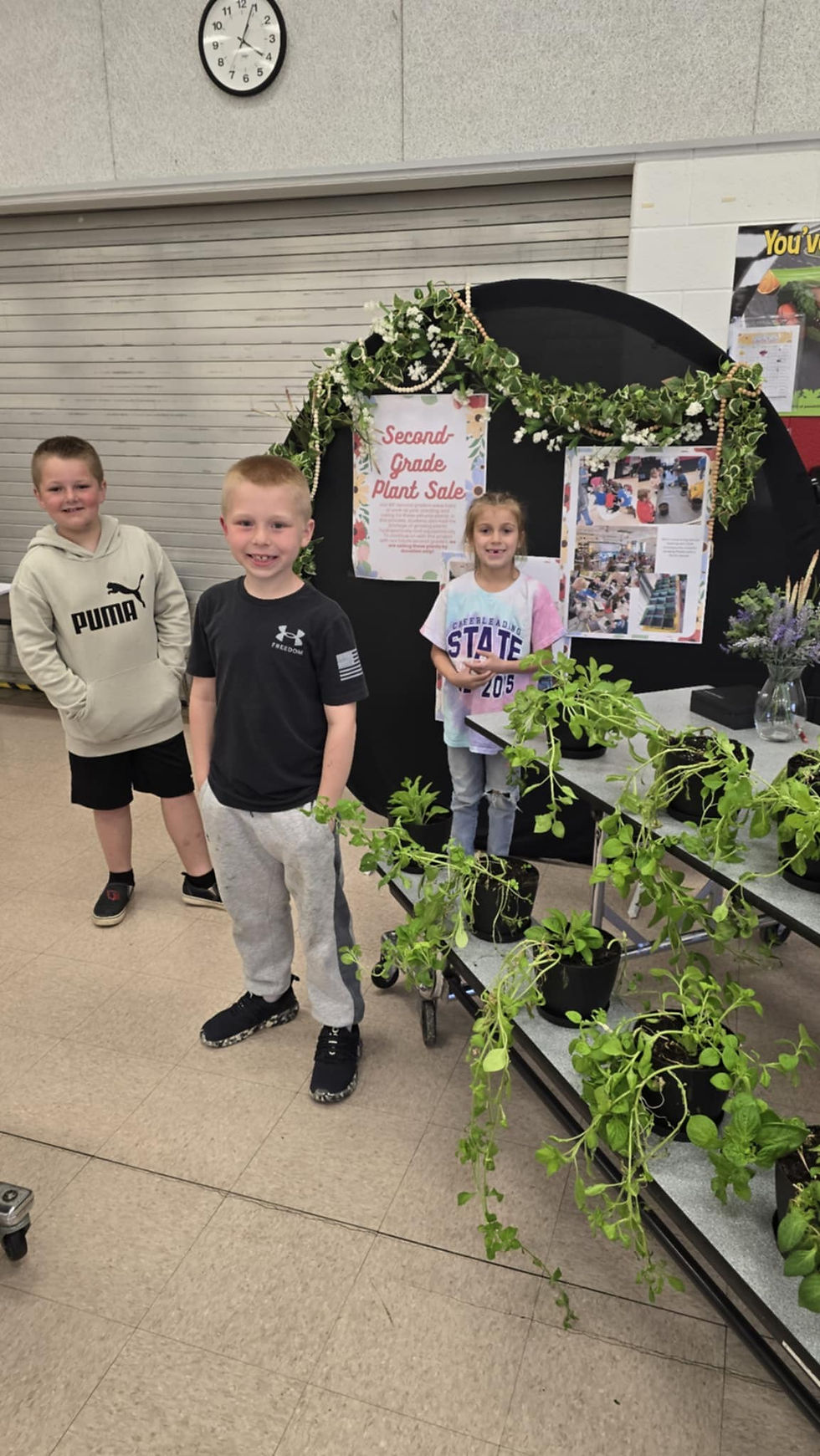
With green thumbs, the 2nd-Graders at Whittemore-Prescott set out to grow flowers, fruits, and vegetables. They had a mini greenhouse in the school and hydroponic stations that were implemented to help get more healthy food in the classroom. The 2nd-graders were able to produce enough plants to have a plant sale for the local community.


Pumpkin Composting
This place-based stewardship education project engaged kindergartners in a hands-on exploration of decomposition and environmental responsibility. The project began with a playground cleanup and the collection of lunchroom waste. Students then hollowed out pumpkins, filled them with various types of trash, and buried them to observe what would decompose over time. They made predictions about the outcome, integrating science, math, and literacy skills along the way. On Earth Day, the students unearthed the pumpkins and discoveredthat while organic materials had broken down, most of the trash remained intact. This eye-opening experience led to meaningful discussions about littering, recycling, and the lasting impact of plastics on ecosystems. Students connected these lessons to their own lives—some committing to reusable water bottles and others pledging to share what they learned with their families. The project fostered teamwork, problem-solving, and a deeper understanding of environmental stewardship.


Great Lakes Fisheries in the Classroom
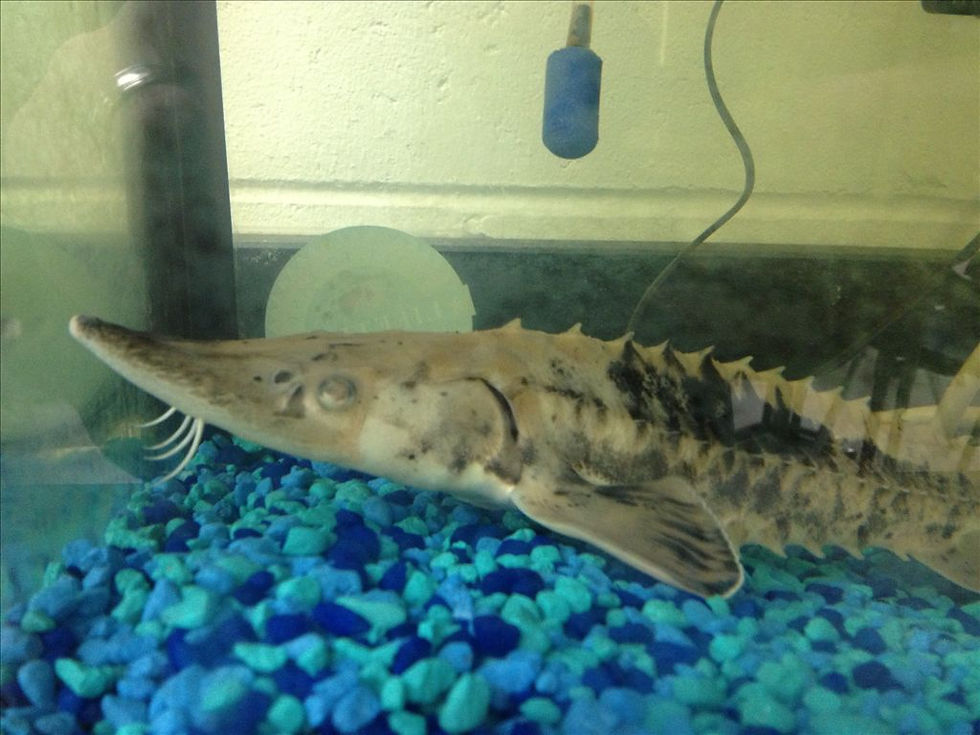
Across northeast Michigan, students are raising different fish species in the classroom. Through these projects, they connect with area scientists to help with restoration and stocking projects, and they learn about the needs and characteristics of the fish. They also increase community awareness about our fisheries by developing promotional materials about the fish and/or connecting their project with younger grades at their school. This hands-on learning activity allows students to connect to their area watersheds while benefiting their local community and environment. LAKE STURGEON IN THE CLASSROOM At the beginning of the school year, students receive a fingerling Lake Sturgeon from Sturgeon for Tomorrow and MI Department of Natural Resources to care for throughout the year. Students are responsible for maintaining the tank, testing the water quality, and feeding bloodworms to the Lake Sturgeon. Near the end of the school year, the fish is released, and in 2024, the different fish grew from 5 inches up to 18 inches when released. Prior to its release, the sturgeon is chipped with a PIT tag. This tagging allows future students to stay connected to the fish since with each recapture they will be notified with the location and an update of its growth and health. This project is a perfect example of place-based stewardship education since students are learning about their local watershed a threatened fish species while improving local fisheries with the fish’s release. Involved Schools: Cheboygan Elementary School, Thunder Bay Junior High, Onaway High School, Alcona Elementary, Inland Lakes Elementary, Whittemore-Prescott Area Schools Involved Community Partners: Sturgeon for Tomorrow, MI DNR, Michigan Sea Grant, U.S. Fish and Wildlife, MSU Department of Fisheries and Wildlife